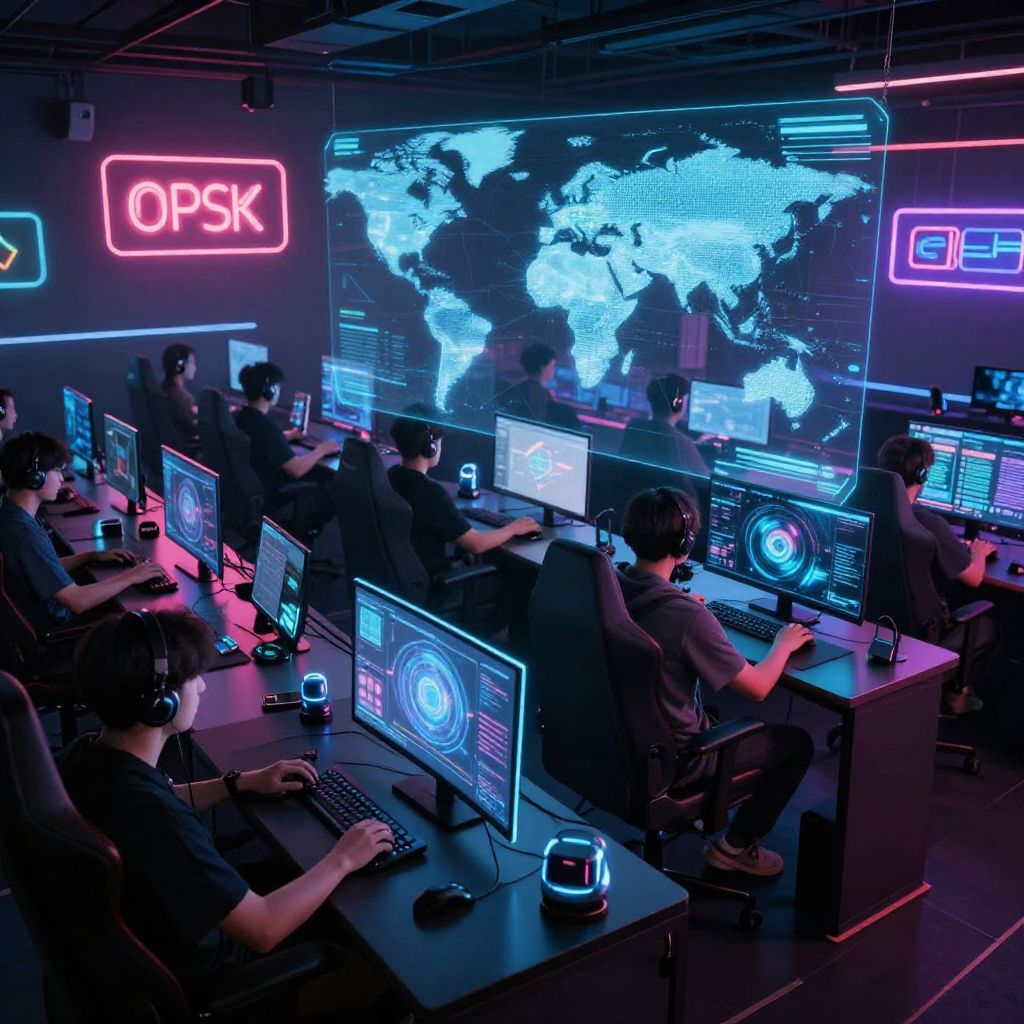
In today’s digital age, online games are no longer just a form of entertainment. They have grown into powerful platforms that connect millions of people across countries, cultures, and languages. What once seemed like a simple hobby has become a global network of interaction where players build friendships, collaborate in teams, and share experiences in real time. Beyond the screen, online gaming has created communities that bring the world closer together in ways never imagined before.
The Transformation of Gaming
In the past, gaming was mostly a solo activity. Players would sit alone with their consoles or computers, completing levels without interacting with others. The experience was fun but limited. However, with the rise of the internet, gaming changed dramatically. Multiplayer modes allowed people to connect with others from around the globe.
Suddenly, players were not just competing against computer programs; they were working with real teammates or facing real opponents. This shift transformed gaming from an isolated pastime into a shared social experience.
Building Global Friendships
One of the most powerful effects of online games is their ability to create friendships. Players from different countries can talk, cooperate, and form bonds while playing together. Voice chats, messaging systems, and team missions encourage communication and teamwork.
It is common for gamers to meet people online who later become close friends. They celebrate victories, support each other during losses, and spend hours enjoying their time together. These friendships often cross cultural and language barriers, helping people understand different traditions and perspectives. In this way, online games promote global unity and cultural exchange.
Online Games as Social Spaces
Today, online games act like virtual meeting places. Instead of meeting at parks or cafes, friends meet inside digital worlds. After school or work, many people log in to relax and connect with others. These games provide a safe and comfortable environment to socialize, especially for those who may feel shy or isolated in real life.
During difficult times, such as the COVID-19 pandemic, online gaming became even more important. When physical gatherings were limited, games allowed people to stay connected and reduce loneliness. For many, gaming communities became a source of emotional support.
Teamwork and Cooperation
Online games often require players to work together to achieve goals. Whether completing missions, defending bases, or competing in tournaments, teamwork is essential. Players must communicate clearly, plan strategies, and trust one another.
This cooperation teaches important life skills such as leadership, problem-solving, and decision-making. Gamers learn how to handle pressure, think quickly, and support their teammates. These skills are not only useful in games but also in school, work, and everyday life.
The Rise of Esports and Streaming
Online gaming has also created new opportunities beyond casual play. Esports, or competitive gaming, has become a global industry. Professional players compete in tournaments watched by millions of fans worldwide. These events bring people together just like traditional sports, creating excitement and shared experiences.
Streaming platforms have further strengthened this connection. Gamers broadcast their gameplay live, allowing viewers to watch, chat, and interact in real time. This creates a strong sense of community where fans feel personally connected to their favorite players. Gaming is no longer just about playing — it is also about sharing and participating together.Visit online hargatoto for more details .
Breaking Barriers Through Technology
Modern technology has made online gaming accessible to almost everyone. Smartphones, affordable internet, and free-to-play games allow people from different economic backgrounds to join the gaming world. This inclusivity has expanded the gaming community and made it more diverse.
Players who might never meet in real life — from different continents, languages, or cultures — can now connect easily. Online games break down physical barriers and prove that distance no longer limits friendship or cooperation.
Challenges to Consider
Despite its many benefits, online gaming also has challenges. Spending too much time playing can lead to addiction and affect health or studies. Toxic behavior, cyberbullying, and cheating can also harm the gaming experience.
However, many developers are working to create safer environments through reporting systems, moderation tools, and positive community guidelines. With responsible use and balance, the advantages of online gaming can far outweigh the negatives.
The Future of Global Connection
As technology continues to improve, online gaming will likely become even more immersive. Virtual reality and cloud gaming may allow players to feel as if they are physically present inside digital worlds. These innovations will strengthen connections and create even more realistic shared experiences.
The future promises a world where online games are not just entertainment platforms but global spaces for learning, socializing, and collaboration.
Conclusion
In conclusion, online games have gone far beyond simple fun. They have become powerful tools that connect people across borders and cultures. By building friendships, encouraging teamwork, and creating communities, online gaming brings the world together in meaningful ways. Beyond the screen, these digital worlds remind us that connection, cooperation, and shared experiences truly have no boundaries.